
Employers
A benefit people keep using.
Onboarding kit, launch program, and a dashboard that shows participation and habit progress by team — never by name.
AI nutrition coach, deployed through institutions
EatsBueno texts like a friend who knows nutrition, reads any plate, and never calls a food bad. Employers, insurers and ARLs enroll; the employee and their family get it free — and the institution only ever sees aggregate progress.
What the coach is built on
What your people see
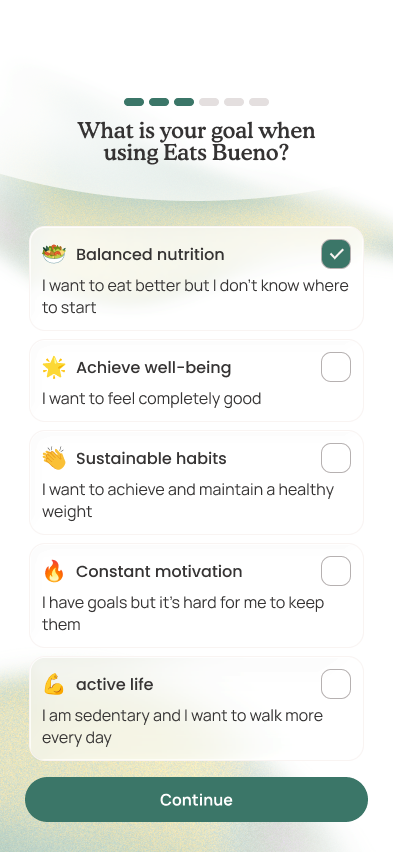
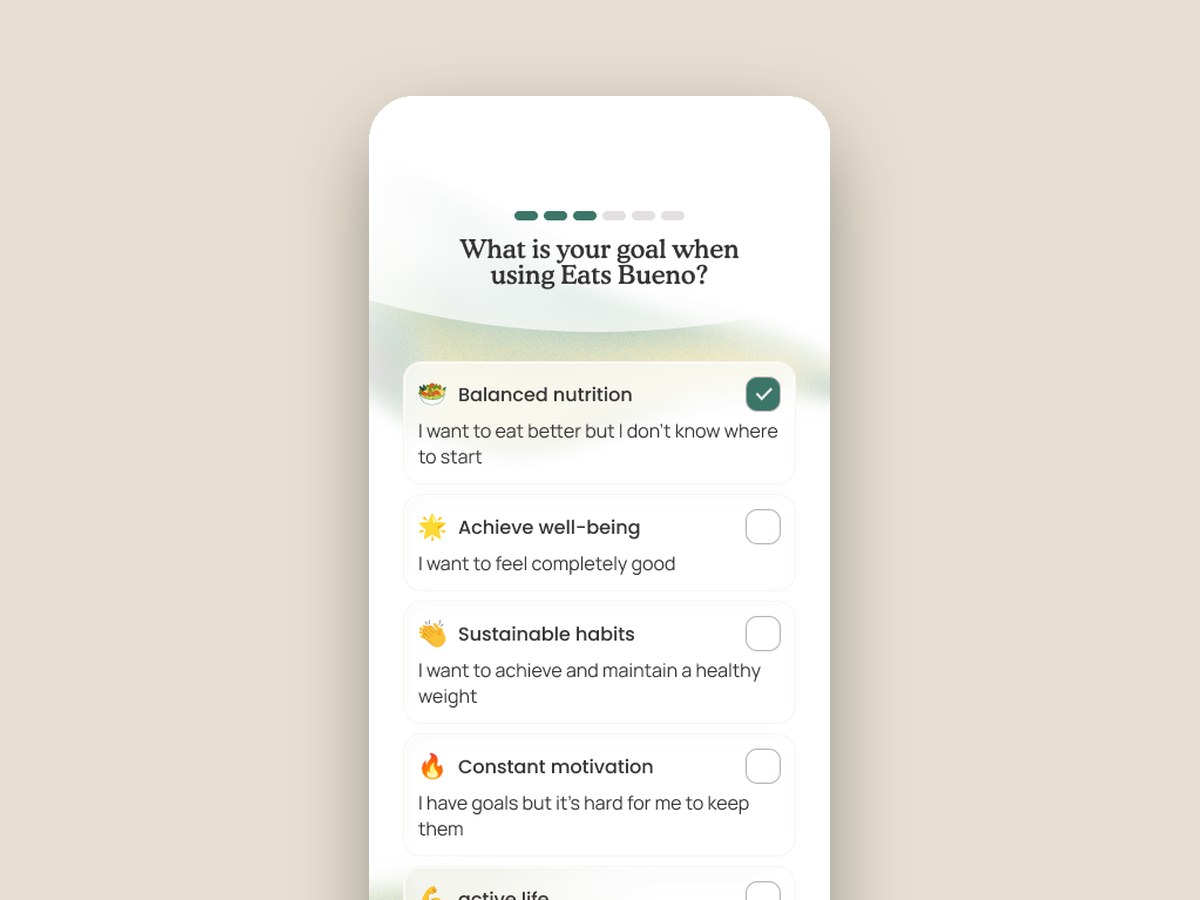
Culture, routine, budget, what's usually in the fridge. No weigh-in, no goal weight, no “before” photo. The coach starts from the person's real life, not a template.
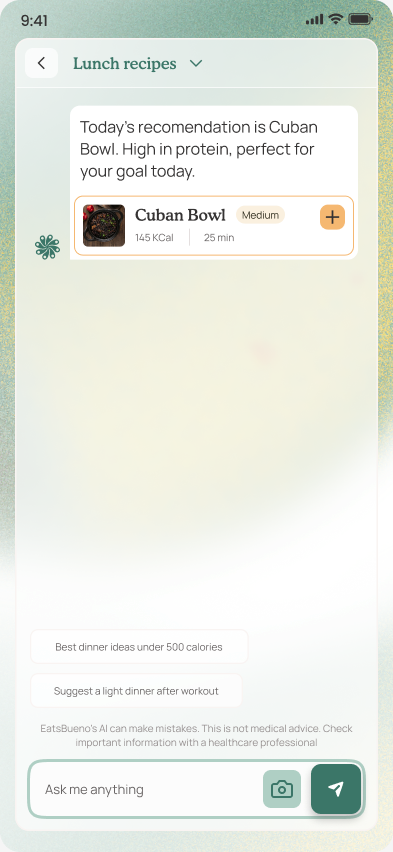
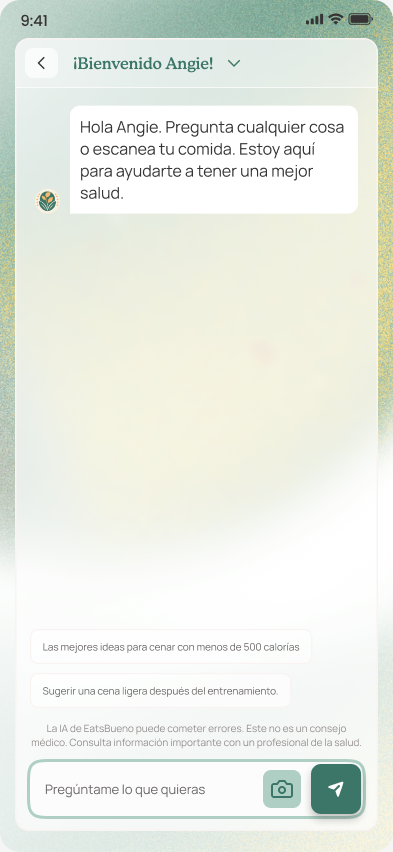
People text the coach like a friend who happens to know nutrition. Lunch ideas, swaps at a fast-food counter, what to cook for four on a tight week — every answer comes with the reason behind it.
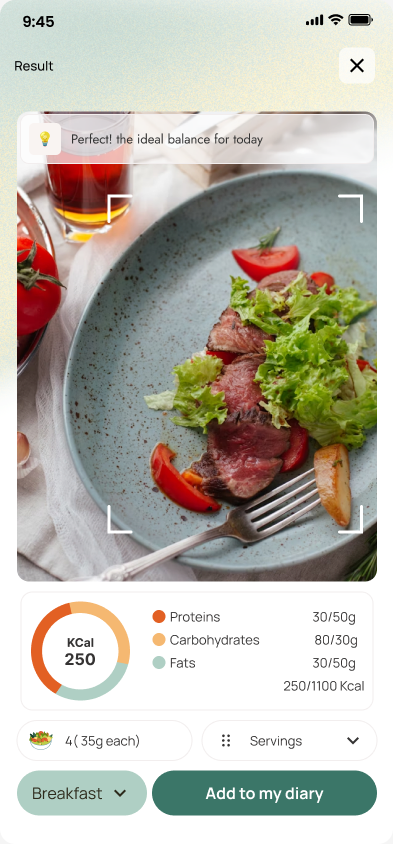
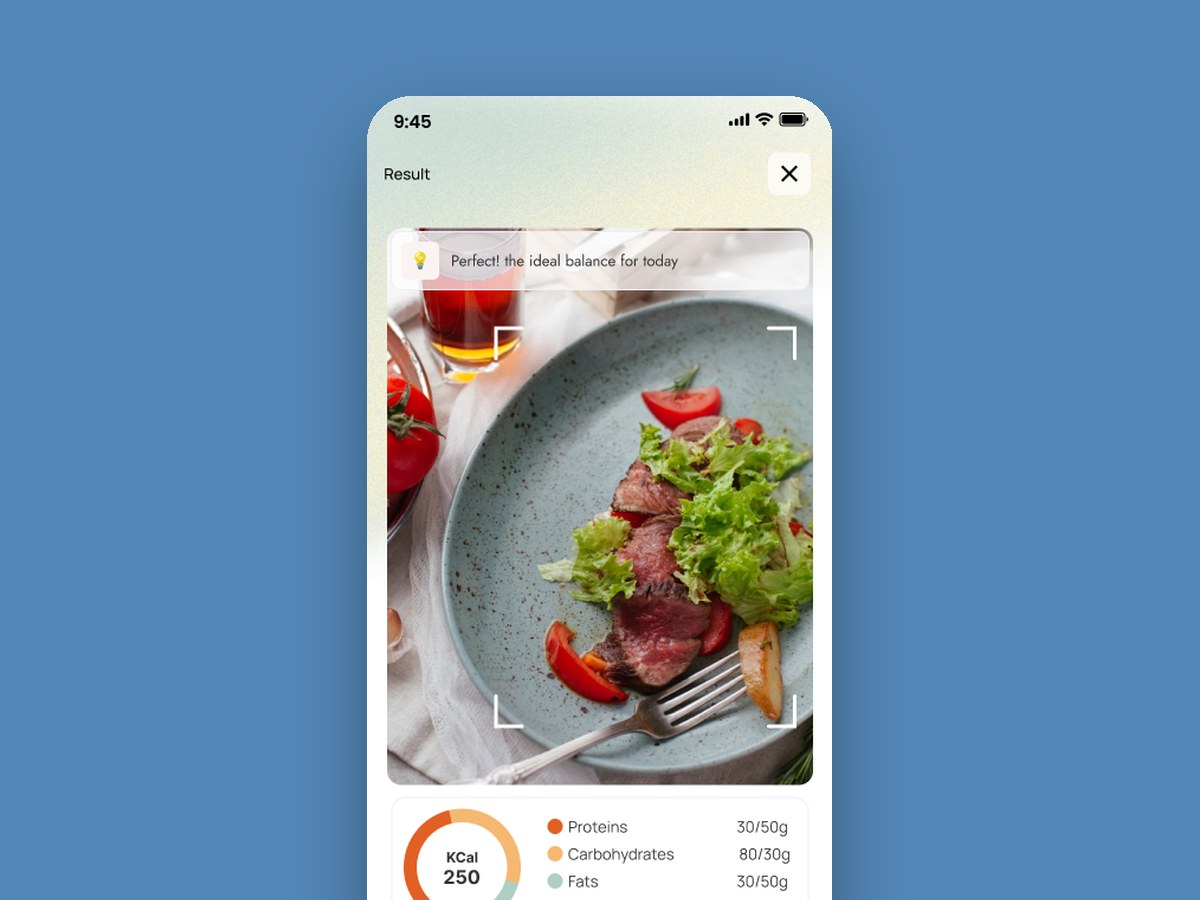
Bandeja paisa, shawarma, bibimbap — the scanner reads real food, not stock food. No typing, no searching, just the plate as it is and one suggestion to make it a little better.
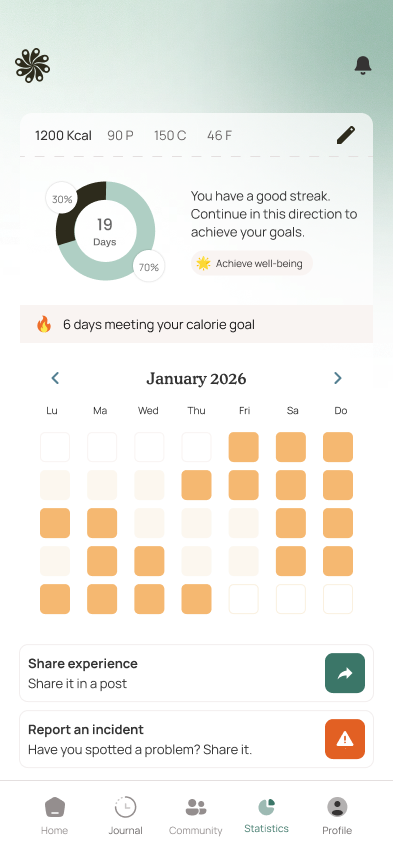
Streaks and small wins measured against the person's own last week — never a leaderboard, never a stranger's body. A habit that survives birthdays is the only metric that matters.
Scroll
Inside the app
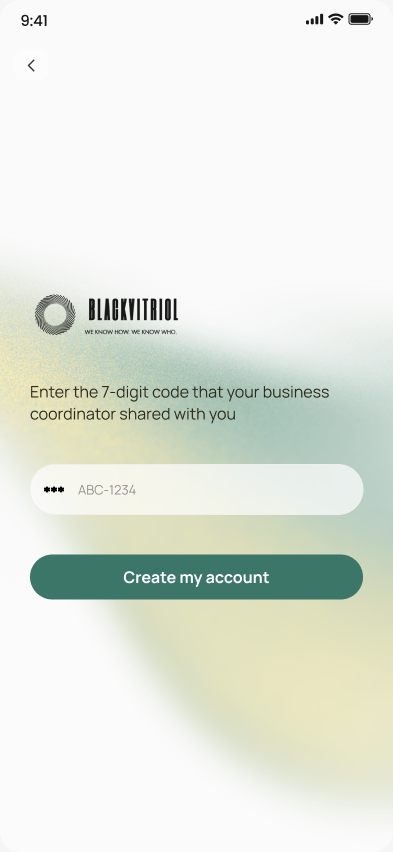
Onboarding, the first conversation, the daily coach, the scanner, progress and the institution code. Design screens — copy and details may differ from the store version.
How the coach thinks
What happens between “what should I eat?” and the reply, in the order it happens. No architecture diagrams — this is the part that matters to the person and to the institution.
Who is asking: culture, routine, budget, what's in the kitchen, what they said last week. The coach reasons from this before it reasons about food.
Vision reads the actual meal, not a substitute. Nutrition data comes from a licensed database, so the numbers are grounded, not guessed.
One suggestion the person can follow where they are — at home, at a counter, at a family table. Never a list of prohibitions.
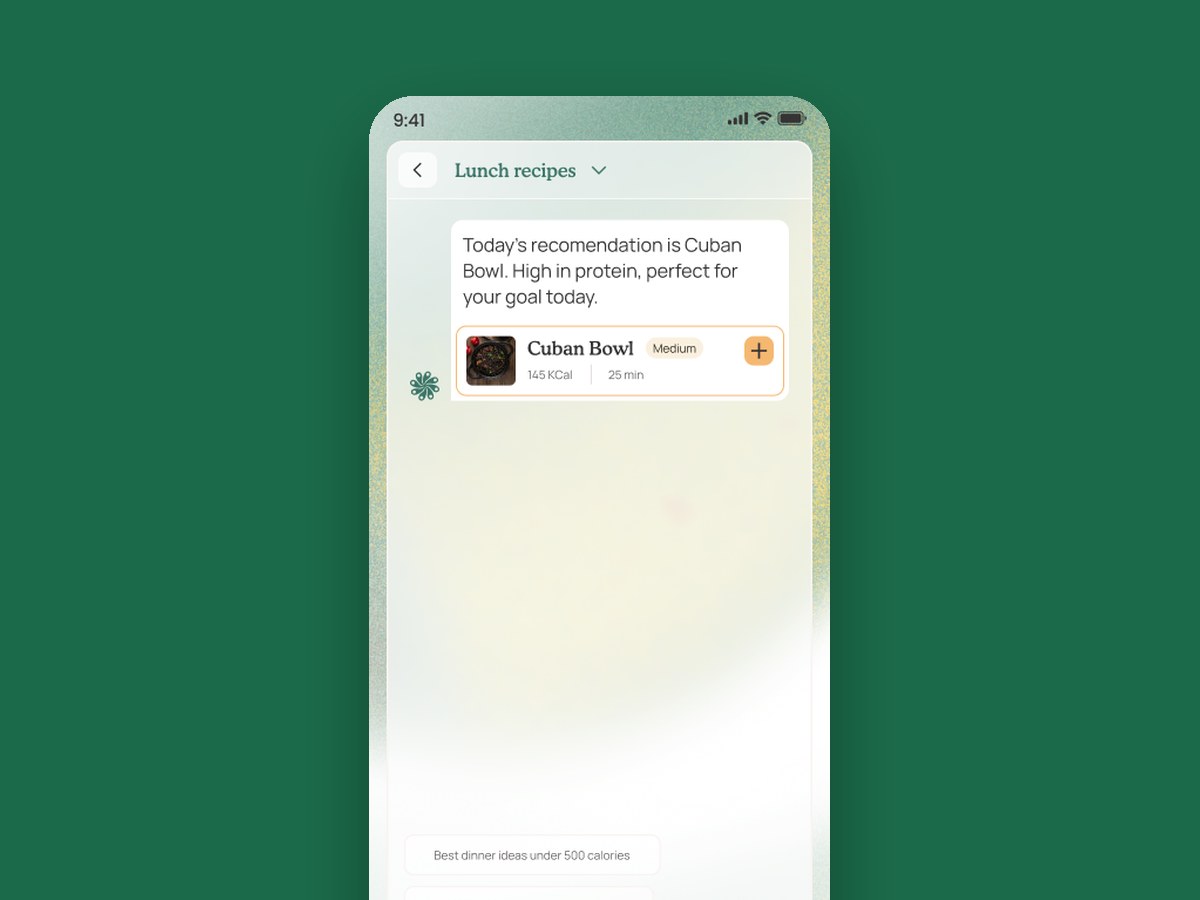
The tone is Angie's method written down: warm, direct, no guilt. Every reply passes guardrails that keep it preventive and never clinical.
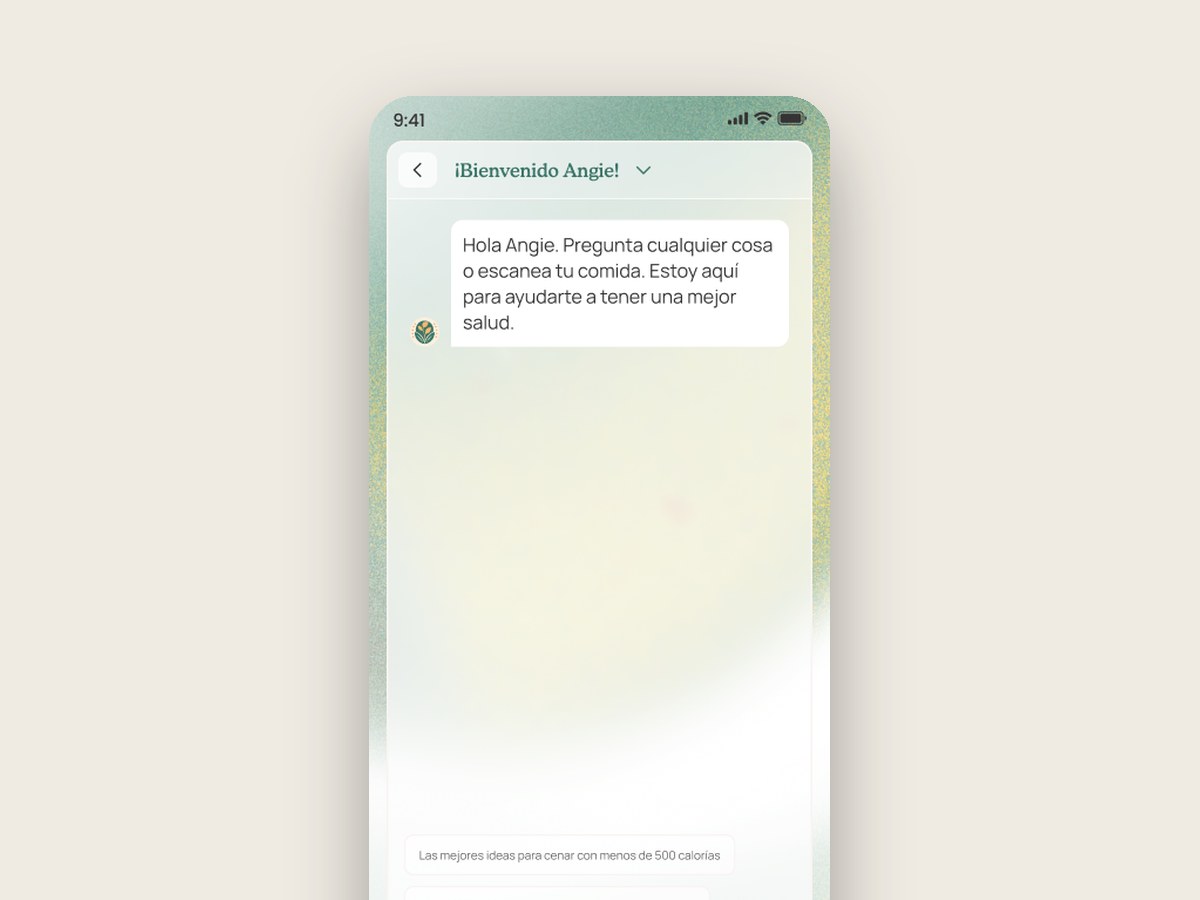
What was kept, dropped, liked. Next week's suggestion is built on this — that's how a tip becomes a habit.
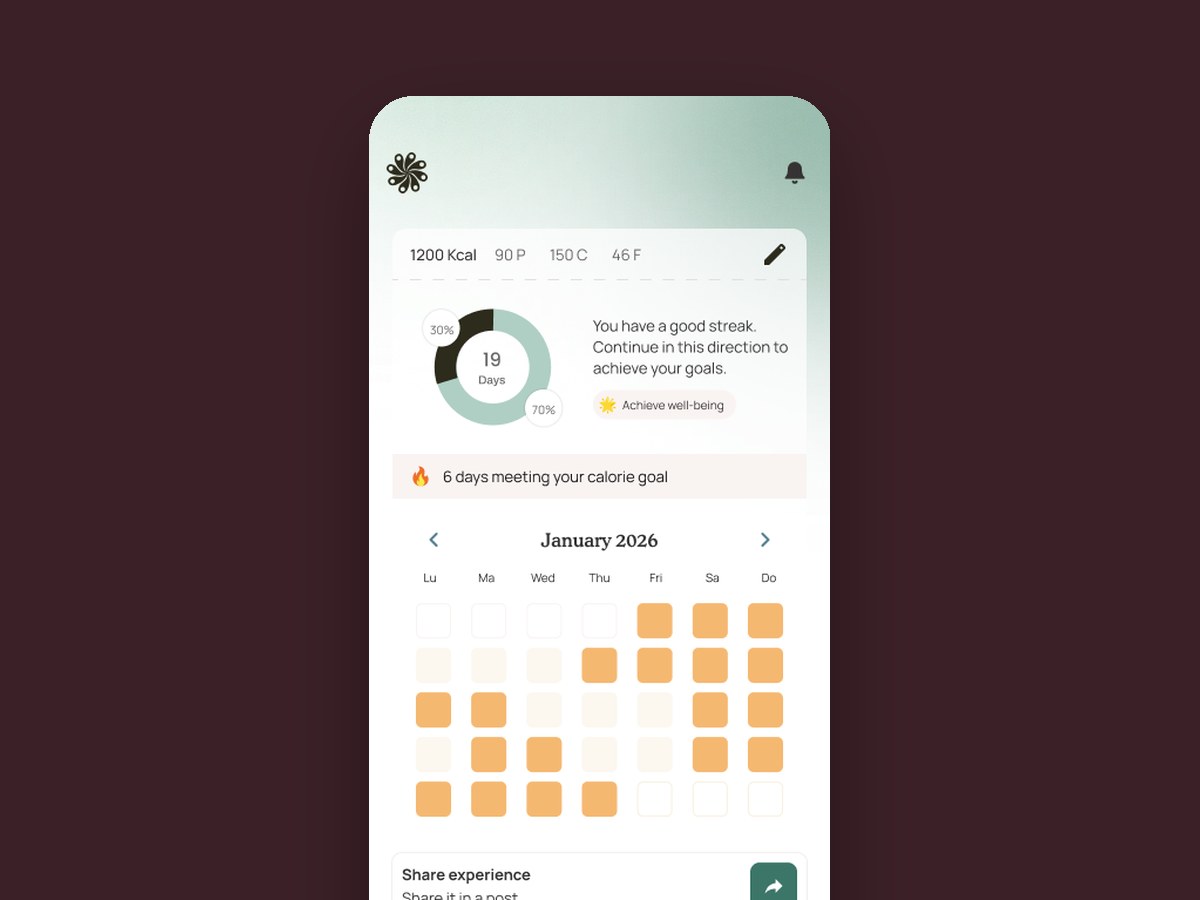
Guardrails
An AI that talks about food every day has to be told what it will never say. We wrote that list before we wrote the product.
The coach will not, under any prompt:
It teaches, it accompanies, it refers to a doctor when it should.
On data: the person owns their conversation. The institution sees participation and progress in aggregate — a number, never a name, never a plate. That separation isn't a setting; it's the architecture.
For institutions
EatsBueno is deployed B2B2C: an employer, insurer or ARL enrolls, the employee and their household get the app free. Here's what each side gets.
Onboarding kit, launch program, and a dashboard that shows participation and habit progress by team — never by name.

Nutrition habits are where chronic conditions start. Members get a coach in a register that never reads as a medical directive.

Access extends past the worker to the family, where eating decisions are actually made and shared.
Posters, messages and a short film in the institution's own channels — in the brand voice, no diet language.
Participation, engagement and habits kept — by group, by month. A number, never a name.
Every enrolled employee can bring their household. Habits are built at the table, not alone.
A short document a person wrote, and a call to decide what to adjust.
Recipes, examples and tone adapted per country and budget, same method underneath.
Participation, engagement with the coach, habits started and habits kept — by group, by month, in aggregate. Built so the institution learns without ever seeing an individual.
Metrics are published once they're validated. We'd rather show you a short honest report than a long impressive one.
Rollout
One institutional agreement. Population size, launch date, who gets access (employees, families, both). No per-employee friction.
Onboarding kit in the institution's channels — posters, messages, a short film — in the brand voice: no guilt, no diet, just a coach.
Download, two-minute onboarding, first conversation. Access is free at the point of use, so nobody has a reason to postpone.
Aggregate participation and habit progress, in a short document a person wrote — and a call to decide what to adjust.
Commitments & recognition
Each line says exactly what the relationship is. We'd rather under-describe a partnership than let you assume something we haven't earned yet.
A participant committed to its principles on health, equity and responsible business. Not an endorsement of the product.
Accepted into its entrepreneurship program. Describes our access to the program, not a deployment in market.
Restaurant and bar in Ibarra, Ecuador. Its team is onboarded through an institutional code, the way an employer or insurer deploys EatsBueno. Outcomes will be published once validated.
Licensed nutrition database behind the scanner and the coach's numbers.
Founders
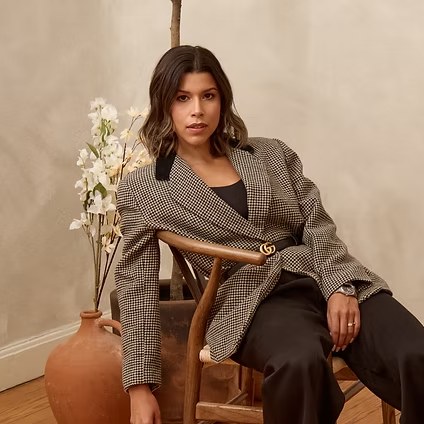
Co-founder · the method
Serious, patient, methodical. Angie built the habit-first approach that helped Gabriel change his life without a single forbidden food — then asked why it wasn't available to everyone. The coach's tone is her method written down.
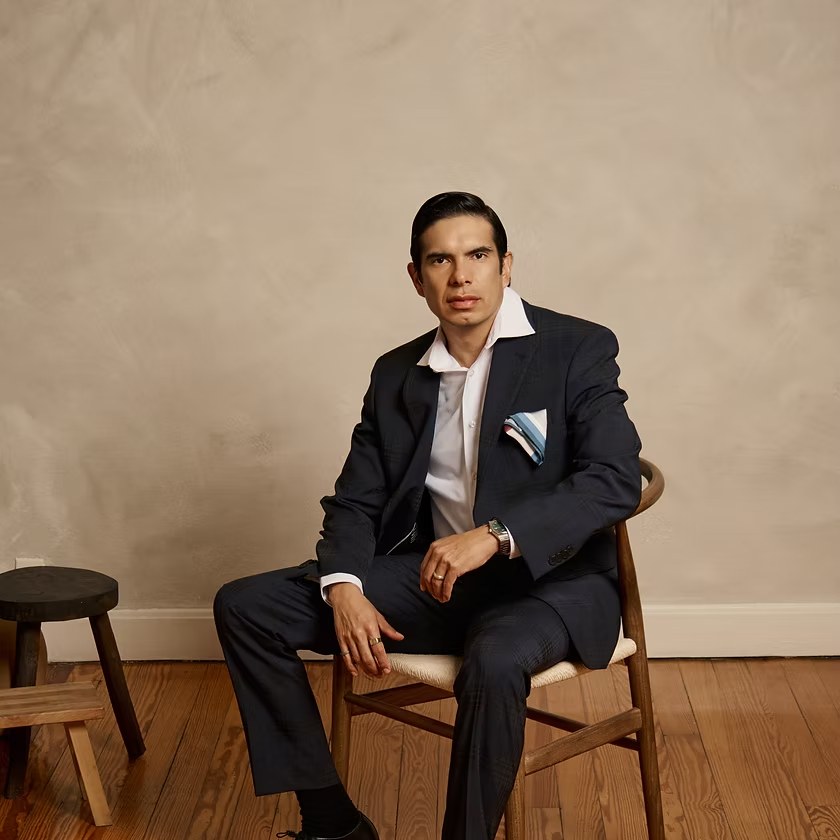
Co-founder · the first user
Gabriel lost close to 50 kg with Angie's guidance — no extremes, no restriction, sustainable changes. EatsBueno exists to make that companionship affordable for the people who could never pay for it.
EatsBueno, Inc. is a Delaware C-Corp headquartered in Houston, Texas, with a global product team. Advisors and program memberships are listed on eatsbueno.com.
Contact
I'm reaching out as